All Categories
Featured
Table of Contents
Rotary spreaders do not use fertilizer uniformly, though, and most of the fertilizer is positioned within 70% of the actual spread width. To apply fertilizer uniformly with a broadcast spreader, either use half the rate and apply in two directions at ideal angles to one another, or overlap the applications by 30%.
Water the turf throughout the summertime if a high-quality yard is wanted. Low and medium-quality turf may be enabled to go inactive.
Long stretches of exceptionally hot, dry weather condition may kill some of the grass. Rainfall alone is typically adequate to sustain lawns in Wisconsin. Sometimes, irrigation is needed to preserve a top quality yard during dry durations.
Prevent watering more regularly than when a week as that will motivate shallow rooting of the yard plants, making them more prone to tension and illness. To determine the amount of water your sprinkler or irrigation system provides, set a series of several coffee cans, quart-sized jars or comparable sized straight-sided containers at 5- to 10-foot intervals from the base of the sprinkler to the end of the irrigation pattern or width.
A Detailed Directory to Neighborhood Garden Maintenance Providers
Water the yard in early morning. This lessens water loss from evaporation yet permits the sun to dry the leaf surface areas before numerous illness can become active. If possible avoid watering in the late afternoon or early night as leaves stay wet longer, which may stimulate illness. If water starts to run from your yard before the sprinkler has actually used a complete inch of water, divided the watering into 2 or more much shorter sessions.
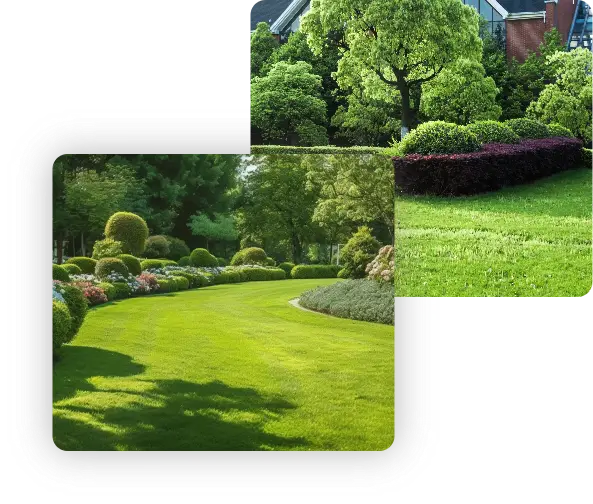
Watering to the point of overflow drainages and may get rid of nutrients and pesticides from the turf. Rake the dead leaves and particles from the yard to help it green up quicker. Reseed any bare areas. Begin mowing for the season, 23 inches high, and use the 13 guideline. Apply crabgrass preventer if required.
Water high-quality lawns to keep them green and growing. Medium- and low-quality lawns can be permitted to go inactive. Apply fertilizer around July 4 unless the weather condition is hot and dry and the yard is not irrigated. Core aerate if the soil is seriously compacted or thatchy. Overseed bare locations if needed, specifically if it can be done in addition to core aeration.
Current research has demonstrated that properly fertilized lawns have significantly less water runoff and nutrient loss than many fields planted with agronomic crops. However, precautionary steps need to be required to make certain that the nutrient loss from home yards remains low. There are some basic actions you can take to assist reduce the quantity of nutrient overflow from your yard.
Research has actually shown that even a single season without fertilization can reduce turf stand density, increasing water overflow by as much as 70%. Select fertilizers with a minimum of 2550% of the nitrogen in slow-release form. This supplies a consistent nitrogen source for the grass between applications. Sweep up spilled fertilizer.
Top Residential Lawn Service Plans for 2026
Failure to sweep it up may cause much of it to ultimately get in lakes and streams via storm water. Water lawns after using fertilizer. This practice increases the efficiency of the fertilizer and greatly minimizes the capacity for nutrition losses throughout the time of year when short-duration, intense rain storms are a common prune in the early morning when plants are turgid (i.e., they have a lot of water in them) so that they snap more easily.
New Regional Guidelines for Climate-Ready Lawn Care
Such lawns provide many individuals the pleasure they want from a grass without the time required for upkeep. Realize, though, that low-maintenance lawns do not fit everybody's concept of a lawn. They may be prone to weeds, attract rodents such as field mice and ground squirrels, and the greater height of the grass might prevent the location from being helpful for recreation.
The mix needs to consist of several varieties of red fescue, Chewings fescue, difficult fescue, and sheeps fescue. The rest of the mix need to contain no greater than 50% of typical or low-maintenance types of Kentucky bluegrass and no more than 15% seasonal ryegrass. Fine fescues are slow-growing yards adapted to low fertility and dry soils.
Future Residential Property Maintenance TrendsFertilize the lawn as soon as or twice every year to delay weed invasion. The yard may be left unfertilized but will be more vulnerable to weed intrusion.

Latest Posts
Top Home Garden Service Checklists for 2026
2026 Residential Landscaping Innovations for Modern Neighborhoods
The Complete Expert Lawn Service Directory Near You